Introduction
When it comes to livestock nutrition, the quality of hay plays a direct role in animal health, growth, and overall productivity. For dairy and meat farmers, premium hay is not just feed—it’s the foundation of their success. At EN FARMS, we recognize this reality and have built our reputation on delivering consistent, nutrient-rich, and carefully processed hay that livestock can thrive on.
In this blog, we’ll walk you through the journey of hay at EN FARMS—from the fields where it’s grown to the barns where it nourishes animals.
The Foundation: Selecting the Right Forage Varieties
Not all hay is the same. The first step in producing premium quality feed is choosing the right forage crops. EN FARMS focuses on nutrient-rich and climate-suited varieties such as:
- Alfalfa Hay – Rich in protein and calcium, perfect for dairy cattle and growing calves.
- Bermuda Grass Hay – Highly digestible and palatable for horses and beef cattle.
- Oat Hay – A versatile forage with balanced fiber and energy levels.
- Teff Grass Hay – Soft-textured, highly digestible, and suitable for multiple livestock types.
By selecting proven forage varieties, EN FARMS ensures animals receive the right balance of energy, protein, and fiber in their diet.
Step 1: Soil Preparation and Sustainable Farming Practices
The journey begins with the soil. Healthy soil equals healthy hay. EN FARMS invests in:
- Soil Testing: Regular testing to maintain the right balance of nutrients.
- Minimal Chemicals: Avoiding excessive fertilizers or harmful sprays to preserve natural soil health.
- Crop Rotation: Enhancing fertility and preventing soil degradation.
This approach not only supports sustainable farming but also guarantees the nutritional integrity of every bale of hay.
Step 2: Harvesting at the Right Time
Harvest timing is everything when it comes to hay quality. Cutting too early means lower yields, while cutting too late reduces nutrition.
EN FARMS follows a precise harvesting schedule:
- Alfalfa: Cut at the pre-bloom stage for maximum protein and digestibility.
- Grasses: Harvested before seed heads fully develop, ensuring soft texture and high nutrient content.
State-of-the-art machinery helps in quick and clean cutting, reducing damage to plants and maintaining their nutritional value.
Step 3: Curing and Drying for Nutrient Preservation
Freshly cut hay has high moisture levels, which, if not handled correctly, can lead to mold or nutrient loss. At EN FARMS:
- Controlled Drying: Hay is cured naturally in the field under optimal conditions.
- Moisture Monitoring: Advanced moisture meters are used to ensure the hay is dried to the ideal 12–15% range.
- Gentle Handling: Minimizing leaf loss (especially in Alfalfa) where much of the protein is concentrated.
This careful curing process ensures bright green hay with a fresh aroma—a key indicator of top quality.
Step 4: Baling with Care
Once properly dried, hay is baled using modern balers that maintain tight, uniform, and weather-resistant bales. EN FARMS produces:
- Small Square Bales – Convenient for small farms and stables.
- Large Square Bales – Ideal for large-scale livestock operations.
- Round Bales – Cost-effective and suitable for outdoor storage.
Every bale is compact yet breathable, preventing spoilage and ensuring easy handling for farmers.
Step 5: Storage and Protection
Storage is where many farms lose hay quality—but not EN FARMS. To preserve freshness and nutrients:
- Covered Storage: All hay is stored in dry, ventilated sheds.
- Stacking Methods: Bales are stacked with airflow in mind, preventing moisture buildup.
- Pest Protection: Regular checks ensure hay is free from pests and contaminants.
This attention to detail means that when hay leaves EN FARMS, it arrives in prime condition.
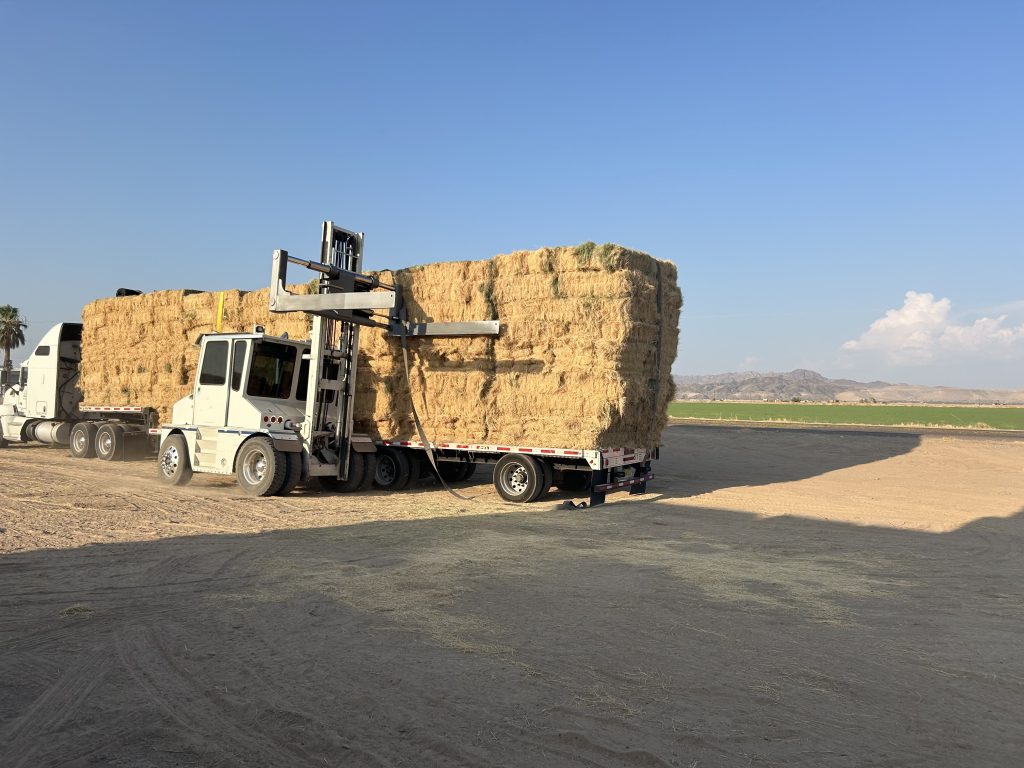
Step 6: Delivery and Customer Assurance
The final step in the hay journey is getting it to farmers. EN FARMS ensures:
- Efficient Logistics: Timely deliveries with flexible scheduling to meet customer needs.
- Quality Checks: Every batch undergoes visual inspection and random nutritional testing.
- Customer Support: Farmers receive guidance on the best hay for their livestock type and feeding goals.
This customer-first approach is why EN FARMS has earned the trust of livestock owners across regions.
Why EN FARMS Hay Stands Out
Farmers have many choices when buying hay, but EN FARMS stands apart due to:
- ✅ Consistency: Same high-quality bales every time.
- ✅ Nutrient-Rich: Preserved protein, energy, and fiber levels.
- ✅ Freshness: Green, aromatic, and highly palatable.
- ✅ Reliability: On-time supply without compromising quality.
- ✅ Variety: Multiple hay types for different livestock needs.
Tips for Farmers: Making the Most of EN FARMS Hay
Even the best hay performs better when used correctly. Farmers are encouraged to:
- Store Properly: Keep hay off the ground and under cover.
- Rotate Bales: Use older bales first to maintain freshness.
- Balance Diets: Combine hay with grains or supplements based on livestock needs.
- Monitor Livestock: Watch animal health and productivity to adjust feeding strategies.
With these practices, EN FARMS hay delivers maximum value and results.
Conclusion
From the fertile fields to the barn doors of livestock owners, EN FARMS follows a meticulous process that guarantees high-quality hay every step of the way. By combining expertise, modern technology, and a farmer-first approach, EN FARMS ensures that every bale of hay is not just feed, but a building block for healthier, more productive livestock.
When you choose EN FARMS, you’re choosing consistency, nutrition, and trust—from field to feed.
